
- All
- Product Name
- Product Keyword
- Product Model
- Product Summary
- Product Description
- Multi Field Search
English
Views: 0 Author: Site Editor Publish Time: 2026-01-13 Origin: Site


Why do playground products that look similar often have very different prices? When budgeting for a playground Swivel Chair, this question comes up quickly. Cost is not driven by appearance alone. It reflects material quality, safety engineering, manufacturing scale, and long-term performance. Understanding these factors helps buyers avoid misleading comparisons and short-term decisions. In this article, you will learn what truly determines the purchase cost of a playground Swivel Chair and how to evaluate options that deliver durability, safety, and lasting value for schools, parks, and community play spaces.
The metal framework is the backbone of any playground Swivel Chair. Most commercial-grade models use galvanized steel instead of standard carbon steel. Galvanized steel costs more because it resists rust, supports heavier loads, and performs better under repeated stress. In high-traffic playgrounds, chairs may rotate thousands of times per week. Weak frames fatigue faster. Premium metals maintain structural integrity over years of active use. This extended service life directly influences purchase cost, as manufacturers must invest in stronger tubing, thicker walls, and reinforced joints to meet commercial performance expectations.
Seat materials also play a major role in pricing. Entry-level seats often rely on basic molded plastic. Higher-end models use high-density polyethylene or UV-resistant polymer blends. These materials resist cracking, fading, and surface wear. They also maintain smooth edges and consistent texture, which improves comfort for children. For a Kids Rotating Chair, tactile comfort matters because children grip and lean during motion. Upgraded materials increase raw material costs and molding precision. However, they help preserve appearance and performance in outdoor conditions, which explains their higher upfront price.
Finishing processes often separate budget products from premium ones. Powder coating, multi-layer anti-rust treatments, and sealed weld points all add cost. These steps require additional equipment, energy, and quality checks. The benefit is long-term durability. Outdoor playground swivel chairs face rain, heat, and humidity year-round. Advanced finishes slow corrosion and reduce surface damage. While they increase initial purchase cost, they protect the investment and reduce replacement cycles.
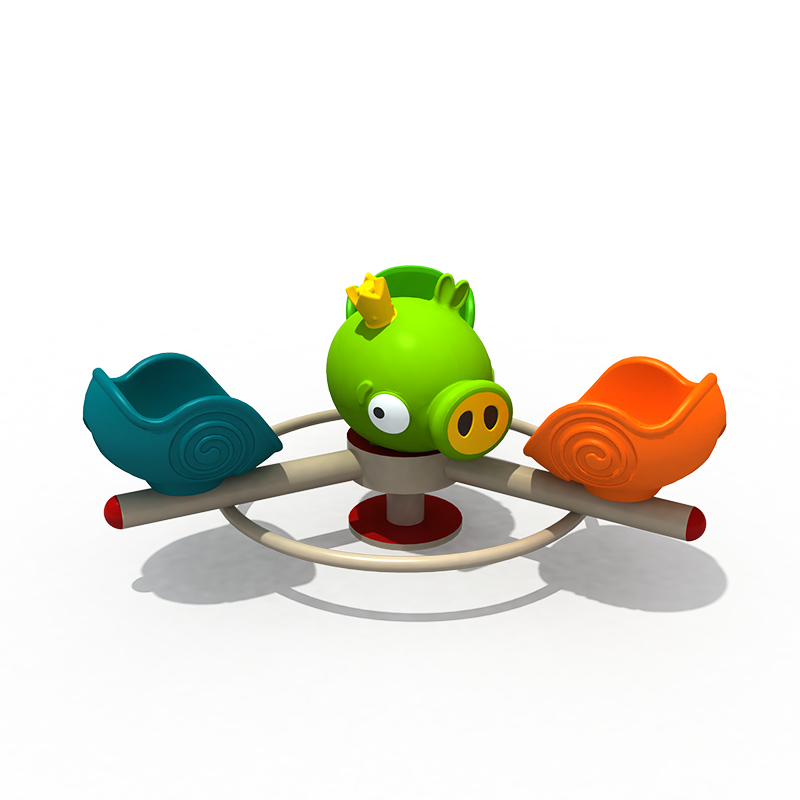
Compliance with recognized safety standards is a major cost driver. Certified playground Swivel Chair products must meet ASTM and CPSC requirements. Achieving certification requires design validation, material testing, and third-party audits. Each step adds time and expense to production. Manufacturers must also maintain documentation and repeat tests for design updates. These costs are built into the final price. Certified equipment reduces risk for operators and reassures parents. This assurance explains why compliant swivel chairs are priced higher than uncertified alternatives.
Safety-focused design features require careful engineering. Rounded edges, controlled rotation speeds, and secure anchoring systems are not accidental. Engineers must calculate motion limits to prevent excessive spinning. They also design clearances to reduce pinch points and impact risks. These design decisions add development time and tooling costs. For a Kids Rotating Chair, safe motion control is essential. Parents and facility managers expect predictable movement. This expectation directly influences purchase price, as safer designs require more precise components and tighter tolerances.
Quality control does not end after design. Reputable manufacturers test each production batch. They conduct load tests, rotation endurance checks, and visual inspections. Some perform random sample testing beyond minimum requirements. These processes slow production but improve reliability. Strict QA systems reduce field failures and liability exposure. Buyers indirectly pay for this assurance through higher prices. In return, they receive consistent performance and fewer unexpected issues during operation.
In real purchasing scenarios, the difference between standard and custom playground Swivel Chair designs goes far beyond appearance. Manufacturing methods, technical parameters, and application suitability all influence cost and long-term value. A structured comparison helps decision-makers balance budget control with functional and design needs.
| Comparison Dimension | Standard Playground Swivel Chair | Custom Playground Swivel Chair |
|---|---|---|
| Production Method | Mass production using existing tooling and fixtures | Small-batch or one-off production requiring new or modified tooling |
| Tooling Investment | Shared steel molds with costs already amortized | New molds or partial mold changes with higher upfront cost |
| Typical Mold Life | ≥50,000 molding cycles | 5,000–20,000 cycles depending on customization level |
| Design Lead Time | 2–4 weeks using proven structures | 6–12 weeks including design validation and trials |
| Prototype Requirement | Usually not required | 1–2 prototype rounds for structural and safety validation |
| Structural Dimensions | Fixed specifications, e.g., seat height 450–550 mm | Adjustable seat height ±50–100 mm |
| Load Capacity | Common rated load 60–90 kg | Customizable up to 120 kg with reinforced structure |
| Rotation System | Standard bearing or turntable with controlled speed | Optional high-load bearings or damping systems |
| Rotation Performance | Typical rotational torque 5–10 N·m | Adjustable torque range 8–20 N·m |
| Material Options | Galvanized steel frame with HDPE seat | Stainless steel, composites, or specialty polymers |
| Surface Finish | Standard powder coating, 60–80 μm thickness | Multi-layer or special finishes, 80–120 μm thickness |
| Color and Theme | Limited standard colors (3–5 options) | Custom RAL colors or themed palettes |
| Application Scenarios | Schools, community parks, general playgrounds | Landmark parks, themed playgrounds, branded projects |
| Installation Compatibility | Directly compatible with common surfacing systems | May require customized foundations or anchoring |
| Unit Cost Range | Lower and stable baseline pricing | Typically 20%–60% higher than standard models |
| Maintenance Strategy | Mature maintenance plans with universal parts | Some components may require custom replacement |
| Key Purchasing Focus | Cost predictability and short lead times | Visual identity, functional differentiation, user fit |
Tip:When speed and budget certainty matter most, standard designs are often the practical choice. For projects that demand a strong visual identity, specialized user needs, or unique play experiences, investing in a custom playground Swivel Chair can deliver long-term value that justifies the higher upfront cost.
Capacity choice directly affects engineering depth, safety margins, and overall cost for a playground Swivel Chair. Comparing single-user and multi-user designs across structural, mechanical, and application dimensions helps buyers align specifications with real playground usage instead of over- or under-engineering.
| Comparison Dimension | Single-User Playground Swivel Chair | Multi-User Playground Swivel Chair |
|---|---|---|
| Intended Users | 1 child per unit | 2–4 children per unit (design dependent) |
| Typical User Weight Assumption | 30–45 kg per child | 30–45 kg × number of users |
| Rated Static Load Capacity | 60–90 kg | 120–250 kg (depending on model) |
| Frame Structure | Single-post or light tubular frame | Reinforced multi-post or thick-wall tubular frame |
| Steel Tube Thickness | ~2.5–3.0 mm | ~3.5–5.0 mm |
| Bearing Type | Standard sealed radial bearing | Heavy-duty radial + thrust bearing set |
| Bearing Load Rating | ~1.5–2.5 kN | ~4.0–8.0 kN |
| Rotation Stability | Stable under centered load | Engineered for off-center and dynamic loads |
| Rotational Torque Range | 5–10 N·m | 10–25 N·m (often with damping) |
| Anchoring System | Single anchor point or base plate | Enlarged base plate or multi-point anchoring |
| Concrete Footing Size | ~300 × 300 × 400 mm | ~500 × 500 × 500 mm (project dependent) |
| Material Consumption | Lower steel and hardware usage | Higher material volume and fastener count |
| Assembly Complexity | Simple, fewer components | More components and precise alignment required |
| Testing Requirements | Standard load and rotation tests | Extended load cycling and imbalance testing |
| Typical Application Areas | Small schools, low-traffic playgrounds | Public parks, community hubs, high-traffic sites |
| User Engagement Level | Individual play, short duration | Group play, longer interaction time |
| Relative Unit Cost | Baseline cost reference | ~30%–70% higher than single-user designs |
| Maintenance Considerations | Fewer wear points, simpler inspection | More bearings and joints to inspect periodically |
| Design Selection Focus | Cost efficiency and space saving | Capacity, durability, and crowd management |
Tip:Select capacity based on peak usage, not average use. In busy playgrounds, multi-user swivel chairs reduce waiting time and improve play flow, often justifying their higher upfront cost through better user distribution and longer service life.
Inclusive design adds meaningful value and influences cost. Inclusive swivel chairs may feature wider seats, transfer-friendly heights, or supportive contours. Interactive elements may include tactile surfaces or group-oriented layouts. These features require additional engineering and specialized components. For public spaces, inclusivity supports broader community use and aligns with accessibility goals. The added cost reflects the care required to balance safety, comfort, and usability across diverse user groups.
Production volume shapes unit cost through measurable manufacturing mechanics. High-volume producers amortize fixed costs such as CNC programming, welding jigs, and quality fixtures across thousands of playground Swivel Chair units. This lowers per-unit labor hours and stabilizes material sourcing prices. Automated cutting, robotic welding, and standardized assembly lines further reduce variance. In contrast, low-volume or specialty production involves frequent line changeovers, shorter batch runs, and higher scrap rates. These factors increase cost per unit, even when material quality is comparable. Volume efficiency therefore reflects process optimization, not merely scale.
Brand reputation is built on accumulated engineering data rather than marketing alone. Established manufacturers maintain historical load testing results, fatigue data, and field performance records for playground Swivel Chair designs. This allows engineers to refine bearing selection, wall thickness, and rotation damping with confidence. Ongoing investment in finite element analysis, prototype validation, and safety simulation increases development cost but reduces failure probability. Buyers indirectly fund this expertise through pricing, gaining products shaped by years of real-world use rather than theoretical assumptions.
Warranty terms are closely tied to statistical lifespan modeling. Manufacturers offering long warranties calculate expected failure rates for frames, bearings, and coatings under defined usage cycles. To manage this risk, they specify higher-grade materials, thicker coatings, and conservative load limits. These design choices increase initial cost but extend functional life. For buyers, longer warranties shift risk from operator to manufacturer, reduce unexpected repair expenses, and support predictable asset management. Evaluating warranty scope alongside design life provides a clearer view of true ownership cost.
Foundation design directly influences structural safety and installation cost. Playground Swivel Chair anchoring must resist vertical loads, torsional forces, and repeated dynamic motion. Manufacturers offering pre-engineered anchor systems typically design to common soil bearing capacities and concrete strengths, such as C25–C30 concrete. This reduces installer guesswork and error risk. Site-specific anchoring, while flexible, requires engineering review and field adjustment. The added design validation and testing behind pre-engineered systems explains their higher purchase price and improved installation reliability.
Integration depends on dimensional coordination and clearance compliance. Playground Swivel Chairs designed around standard fall zones and surfacing depths minimize rework during installation. Consistent interface dimensions allow smooth alignment with poured-in-place rubber, tiles, or engineered wood fiber systems. When equipment deviates from these norms, site plans must be revised, increasing coordination time. Manufacturers that engineer for multiple layout scenarios invest in adaptable mounting geometries and modular footprints, which raises design cost but significantly reduces layout conflicts in complex playground environments.
Transportation planning affects both cost and product condition. Heavy-gauge steel components increase shipping weight, often pushing loads into higher freight classes. Manufacturers mitigate this by designing knock-down structures and reinforced packaging using steel pallets or layered cushioning. Crating design must also protect powder-coated surfaces from abrasion and vibration. Regional logistics strategies, such as consolidated shipping or hub distribution, influence pricing consistency. Well-engineered packaging reduces transit damage, lowers return risk, and preserves finish quality upon arrival.
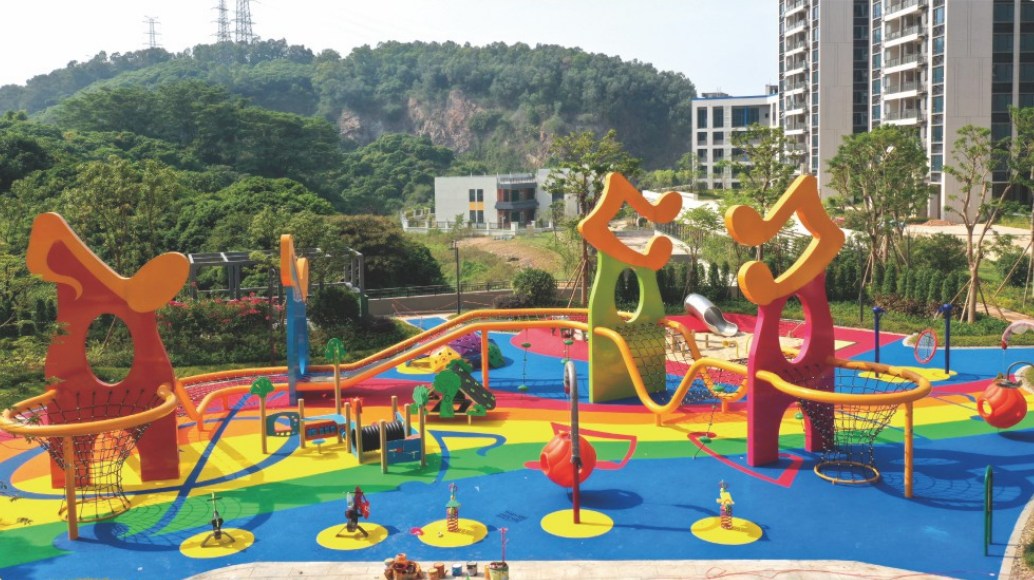
Durability is engineered through material selection and mechanical tolerance control. Thicker steel sections reduce fatigue under cyclic rotation, while sealed bearings limit dust and moisture ingress. Advanced surface treatments slow electrochemical corrosion, especially in humid or coastal environments. These design choices reduce the frequency of repainting, bearing replacement, and structural inspection. From an operational perspective, lower intervention rates translate into fewer service hours and reduced downtime. Over a multi-year period, this stability allows facility managers to plan maintenance proactively rather than reactively.
When evaluating a playground Swivel Chair, focusing only on the upfront price can be misleading. A lifecycle view considers service life, maintenance frequency, and replacement timing, offering a clearer picture of true cost and long-term budget impact for schools and municipalities.
| Cost Dimension | Lower Initial Price Model | Higher Initial Price Model |
|---|---|---|
| Typical Purchase Price | Lower upfront investment | 20%–60% higher upfront cost |
| Expected Service Life | 5–8 years (outdoor public use) | 12–20 years (commercial-grade use) |
| Frame Material | Standard steel or thin galvanized steel | Heavy-gauge galvanized or stainless steel |
| Steel Wall Thickness | ~2.0–2.5 mm | ~3.5–5.0 mm |
| Corrosion Protection | Single-layer coating, 50–70 μm | Multi-layer coating, 80–120 μm |
| Bearing System Durability | Standard sealed bearing | Heavy-duty bearing with higher load rating |
| Bearing Load Rating | ~1.5–2.5 kN | ~4.0–8.0 kN |
| Annual Maintenance Frequency | 2–3 inspections per year | 1–2 inspections per year |
| Typical Annual Maintenance Cost | Moderate, increases over time | Lower and more stable |
| Common Maintenance Tasks | Bearing replacement, repainting | Routine inspection and lubrication |
| Replacement Cycle | Earlier replacement required | Extended replacement interval |
| Downtime Risk | Higher risk of temporary closure | Lower risk due to durability |
| Lifecycle Cost (15 Years) | Often higher due to replacement | Often lower when spread over lifespan |
| Budget Predictability | Less predictable, variable expenses | More predictable long-term budgeting |
| Best-Fit Applications | Short-term projects, low usage | Schools, parks, long-term public assets |
| Value Per Year of Use | Higher cost per year | Lower cost per year |
| Procurement Strategy Fit | Lowest-bid driven decisions | Total cost of ownership approach |
Tip:For public playgrounds planned to operate over a decade or more, comparing cost per year of service often reveals that a higher-priced playground Swivel Chair delivers better financial stability and fewer disruptions than a low-cost alternative.
Playground equipment delivers value through engagement. Durable swivel chairs attract repeated use. They support social interaction and active play. High-quality designs maintain appeal over time, encouraging consistent participation. This sustained engagement enhances community value. When purchase cost aligns with long-term performance, the return on investment extends beyond simple durability into social benefit.
The purchase cost of a playground Swivel Chair is shaped by materials, safety standards, design depth, and long-term performance. Evaluating lifecycle value helps buyers make stable decisions. Attract Playground Equipment Co., Ltd. delivers swivel chairs built for durability, safety, and high-use environments, supported by professional manufacturing and reliable service that create lasting value for schools, parks, and communities.
A: Materials, safety certification, and durability define Playground Swivel Chairs cost.
A: Playground Swivel Chairs vary in steel grade, bearings, and coatings.
A: Certified Playground Swivel Chairs include testing, documentation, and quality control.
A: Kids Rotating Chair options cost less due to simpler structure and load.
A: Choose Playground Swivel Chairs with durable materials and longer lifespan.


